
🐾 How to Take Your Dog’s Training to the Next Level Advanced Techniques and Tips
Discover advanced dog training techniques and expert tips to elevate your pup’s skills and behavior to the next level.
If you’re already working through basic obedience and want more reliability, confidence, and real-world manners, advanced training is the next step. Whether you’re working with a puppy, adult dog, or behavior challenges, professional guidance can make a big difference.
👉 Explore our full range of dog training services here:
🧠 Basic vs. Advanced Dog Training
When it comes to dog training, understanding the difference between basic and advanced methods is crucial.
Basic training focuses on foundational commands like sit, stay, and come.
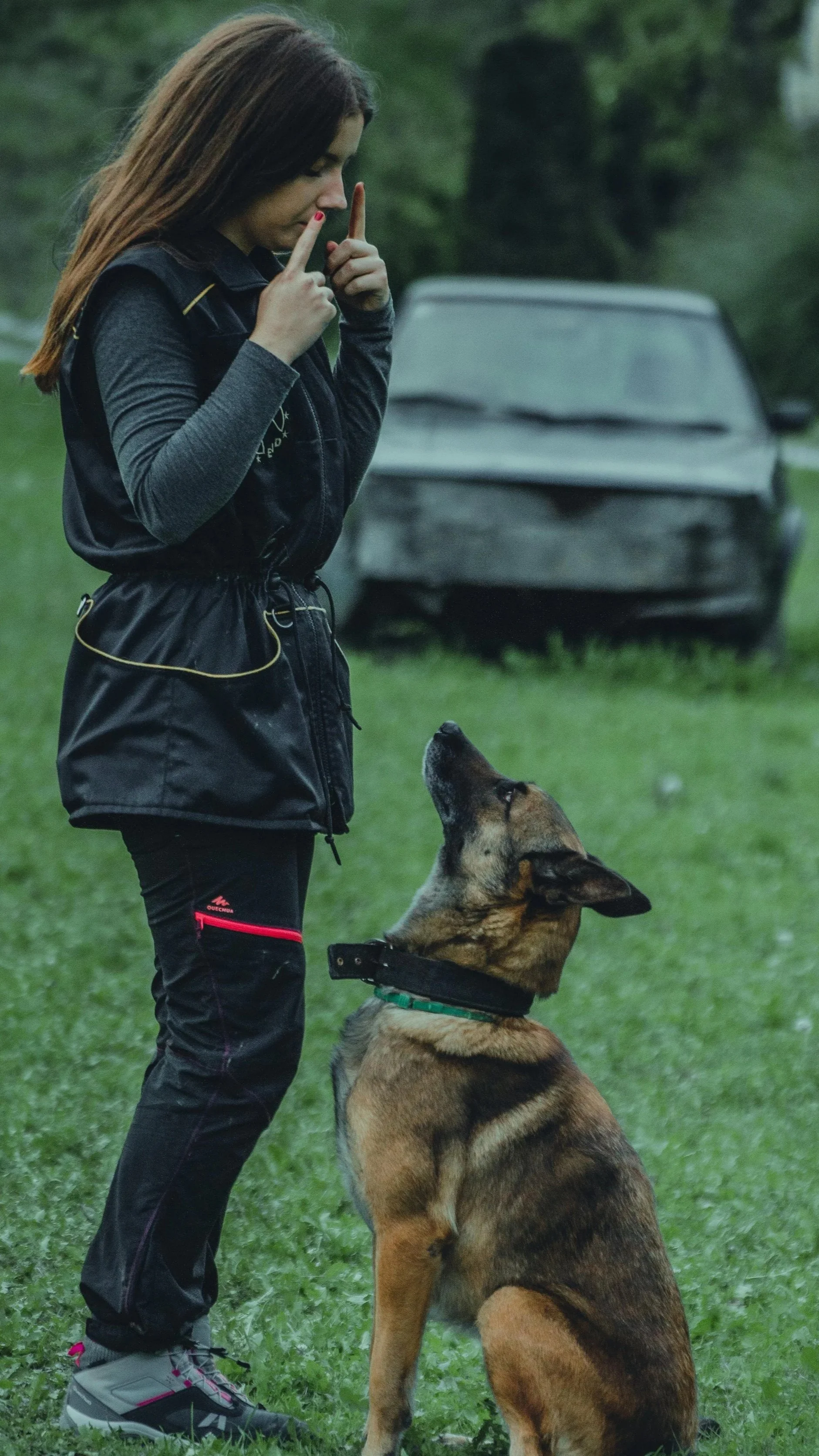
Advanced training emphasizes precision, timing, distance control, hand signals, duration, and behavior chaining.
These skills require increased focus and commitment—but the payoff is a dog you can trust anywhere.
If you’re working hands-on at home, in-home dog training is often the best starting point:
🏗️ Why a Strong Foundation Matters
Before advancing, your dog must truly understand the basics.
A solid foundation:
Builds confidence
Reduces frustration
Makes advanced skills easier and clearer
Without it, advanced training can feel overwhelming for both you and your dog.
For puppies, foundation skills start early through structured puppy training programs
🔍 Is Your Dog Ready for Advanced Training?
Not every dog progresses at the same pace.
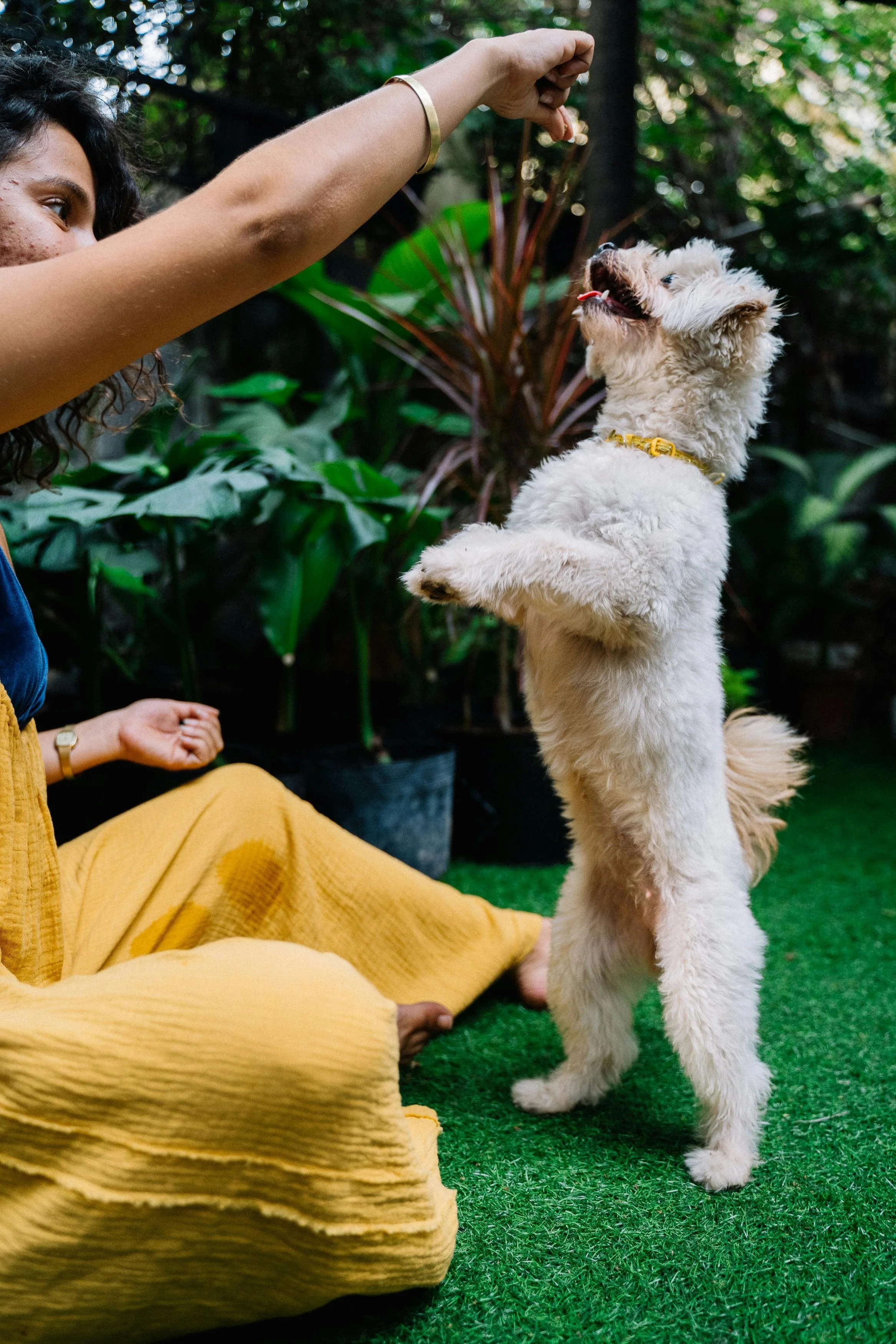
Signs your dog may be ready:
Consistently responds to basic cues
Maintains focus during sessions
Shows enthusiasm and engagement
If your dog struggles with anxiety, reactivity, or overstimulation, readiness may look different—and that’s okay.
Helpful resources:
🎯 Mastering Precision Commands
📏 Distance Control & Hand Signals
Teach your dog to respond even when you’re several feet away by pairing:
Clear verbal cues
Consistent hand signals
Practice in multiple environments to ensure reliability.
⚡ Improving Response Time & Accuracy
Increase distance gradually
Add controlled distractions
Reward fast, accurate responses
⏳ Duration & Distraction Training
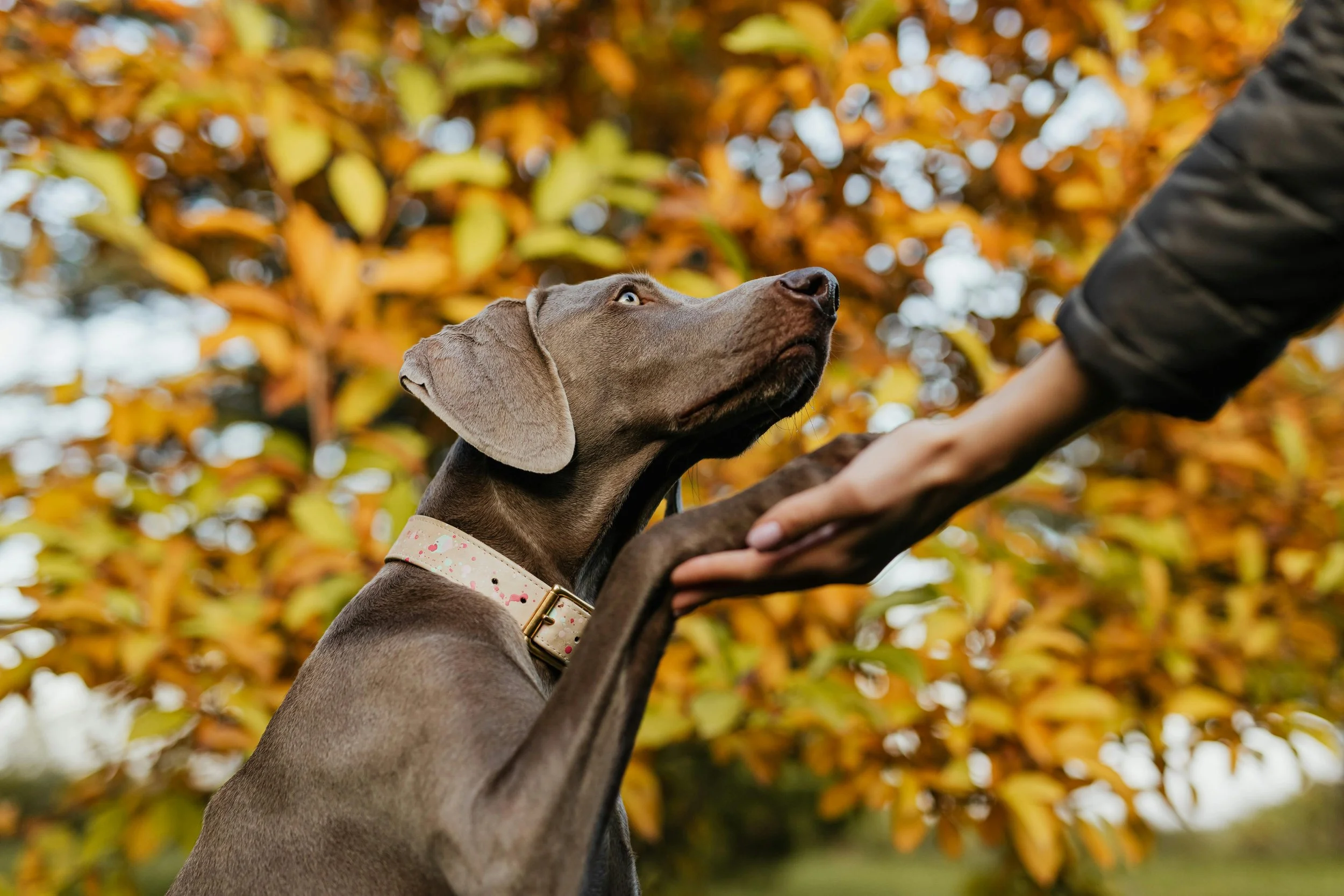
Teach your dog to hold commands longer and stay focused despite:
Movement
Sounds
Other dogs or people
These skills create dependable, real-world obedience.
🔗 Advanced Behavior Chaining
🧩 What Is Behavior Chaining?
Behavior chaining links multiple behaviors into one smooth sequence, strengthening communication and teamwork.
🔗How to Build Chains
Start with individual commands
Chain two behaviors together
Reward each successful step
Increase complexity gradually
🏃♂️ Creating Complex Routines
Behavior chains are perfect for:
Agility-style routines
Advanced tricks
Public manners and working roles
This foundation also supports specialized goals like therapy dog training
🖱️ Professional-Level Clicker Training
⏱️ Advanced Timing & Marking
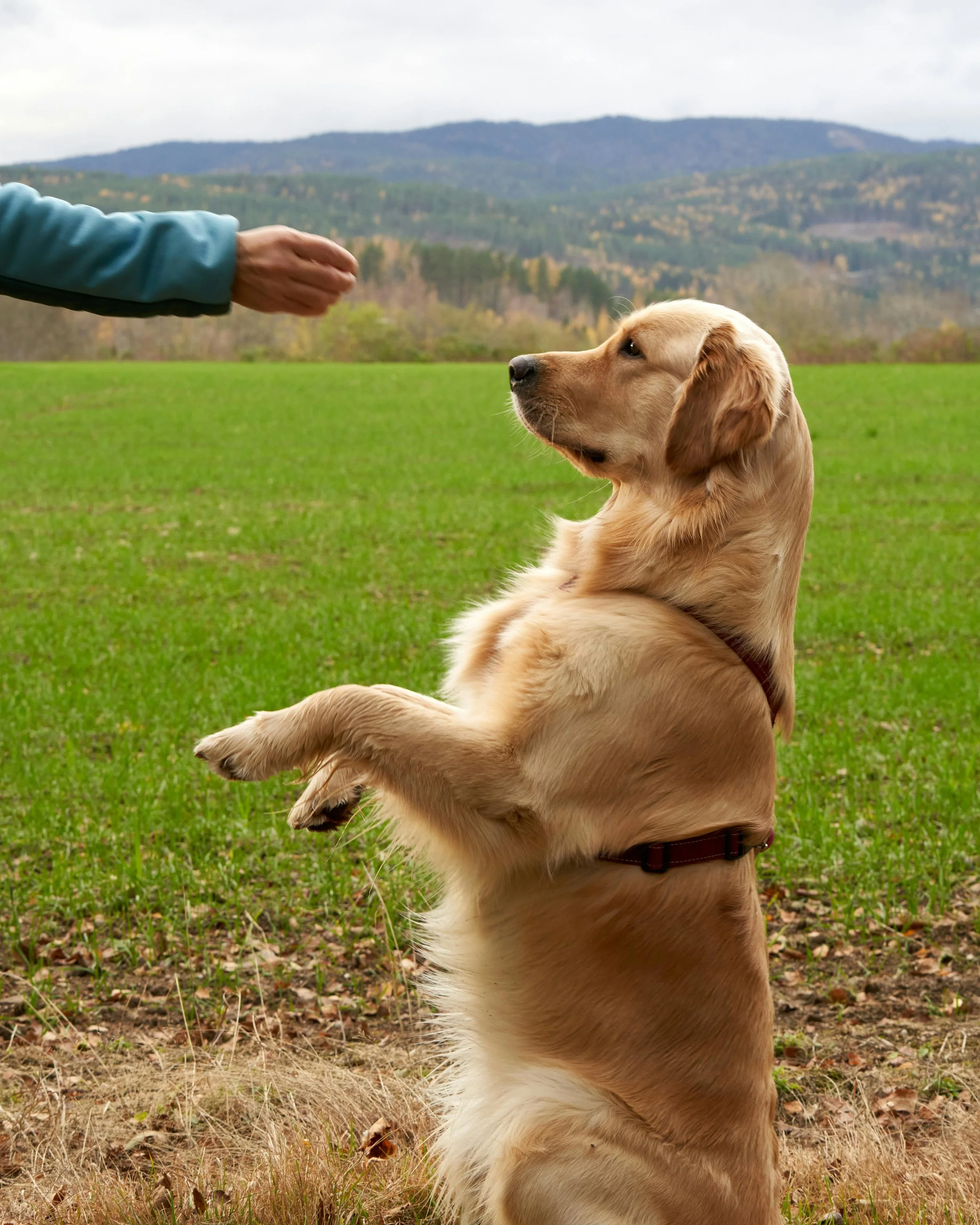
Click at specific moments within a behavior—not just the final result—to improve clarity.
🧠 Teaching Complex Skills
Break behaviors into tiny steps:
Look at the object
Touch it
Pick it up
Complete the task
✨ Shaping Advanced Tricks
Shaping builds confidence by rewarding small progressions toward a bigger goal—perfect for creative, confident learners.
🌍 Environmental Challenge Training
🚦 Training With Distractions
Start small and gradually increase:
New locations
Movement
Noise
Other dogs
🏙️ Real-World Scenarios
Practice in everyday environments:
Parks
Neighborhoods
Vet offices
Helpful reads:
🛠️ Problem-Solving & Troubleshooting
⚠️ Common Advanced Training Challenges
Loss of focus
Inconsistent responses
Stress or frustration
🔧 Fine-Tuning Your Approach
Break behaviors into smaller steps
Rotate rewards
Adjust session length
🔄 Knowing When to Pivot
Every dog learns differently. Progress comes faster when you adapt instead of pushing through frustration.
📈 Maintaining & Advancing Skills
🗓️ Progressive Training Schedules
Short sessions (5–10 minutes)
Several times per week
Rotate skills to prevent boredom
🔁 Preventing Skill Regression
Regular refreshers keep skills sharp and reliable.
🚀 Continuous Improvement
New environments
Added distractions
Higher expectations over time
Training is a journey—and advanced skills build confidence, freedom, and trust.
📍 Work With Trusted Jacksonville Dog Trainers
If you’re ready for expert guidance, personalized plans, and real-life results, work with experienced Jacksonville dog trainers who meet you where you are:
📍 Learn more about us here
📞 Ready to Get Started?
Take the next step with professional support.
👉 Schedule your free dog training consultation:
